It happens without warning. You're in the grocery store, a song from your teenage years drifts out of the speakers, and suddenly you can almost smell the high school gym or feel the summer air from a long-ago road trip. A memory you hadn't thought about in years is right there, vivid and full of feeling.
Here's the short answer: music is an unusually powerful memory trigger. Researchers call these moments music-evoked autobiographical memories, and studies suggest most of us experience them about one to a few times a day. Music activates many parts of the brain at once, including areas tied to memory, emotion, and reward. Scientists think that combination helps songs unlock rich, emotional personal memories.
A Brain-Wide Workout
Listening to music isn't a simple task for the brain. It engages areas involved in hearing, movement, emotion, memory, and reward, all at the same time. Different features of music, like rhythm, tone, and the quality of a sound, light up regions across the brain.
When it comes to music-triggered memories, one area stands out: the medial prefrontal cortex, just behind the forehead. Brain scans show it responds strongly to songs that feel familiar and personally meaningful. It seems to help link a piece of music with the memories and feelings attached to it.
Why the Songs of Your Youth Hit Hardest
It may help explain why the oldies never really go out of style. Psychologists have found a reminiscence bump: older adults tend to remember the years of adolescence and early adulthood as especially vivid and important. Music follows the same pattern. Songs from roughly ages 10 to 30 tend to be preferred, recognized more easily, and stir stronger emotions than songs from other times.
Here's a sweet twist. College students have shown stronger recognition and emotional responses to music from their parents' teenage and young adult years. Researchers call it a cascading reminiscence bump. So if your kids know all the words to your favorite songs, you may have had something to do with it.
Music and Memory Loss
Some of the most moving research involves people with Alzheimer's disease. In studies, memories triggered by music were relatively well preserved compared with memories prompted by pictures or recalled in silence. Patients who listened to music recalled personal memories faster, and those memories tended to be more specific and more positive.
Familiar music chosen by the listener seems to work especially well, though even familiar instrumental music without lyrics can spark pleasant memories. Researchers are exploring personalized playlists and music therapy as ways to support mood and a sense of identity. This research is still developing, so if someone you love is living with memory loss, talk to their doctor about what might help.
Country star Glen Campbell offered a glimpse of music's staying power. After announcing his Alzheimer's diagnosis in 2011, he set out on a farewell Goodbye Tour with three of his children in his band. In January 2013, he recorded one final song, "I'm Not Gonna Miss You."
An Ancient Connection
The link between music and memory isn't news. In ancient Greek and Roman society, musical memory was a basic part of social, cultural, and political life. The modern science took off in the early 2000s, when neuroscientist Petr Janata and colleagues coined the term for these music-triggered memories. In one early study, about 30 percent of the songs played to students brought back a personal memory.
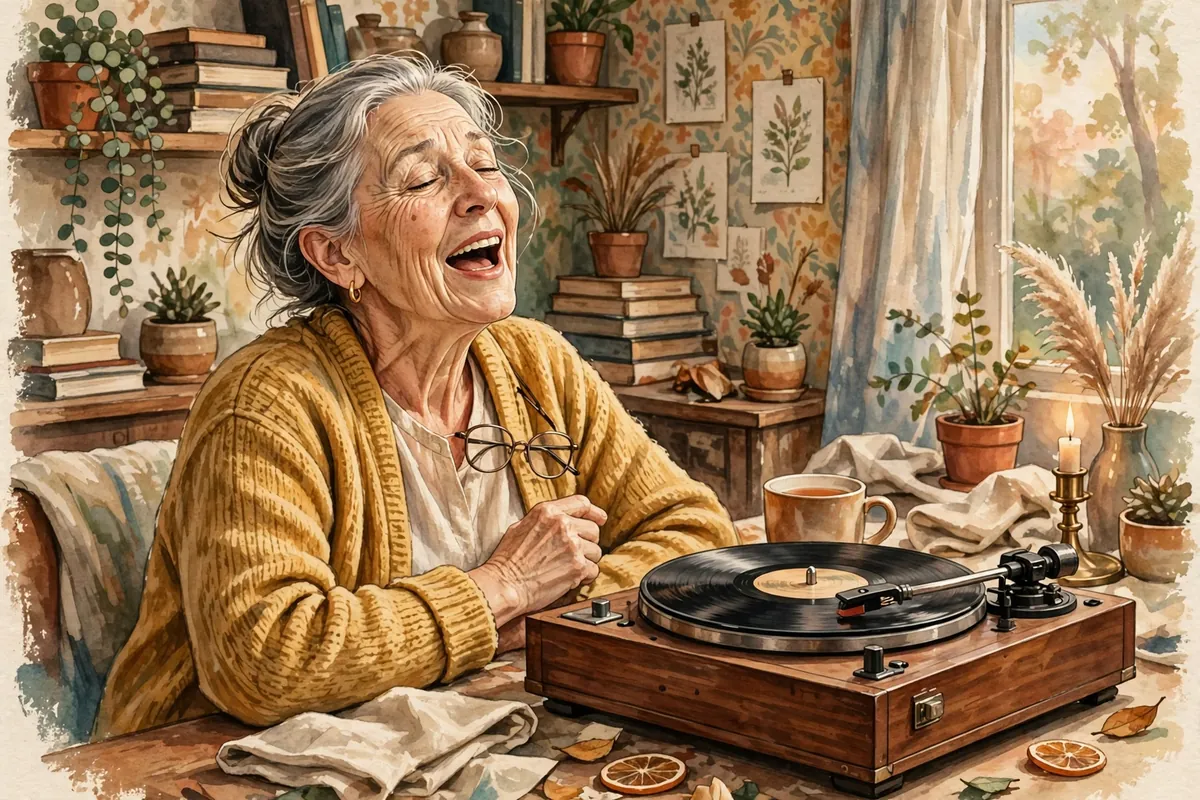
So go ahead and put on that old record. Whether it's Motown, Elvis, or the Beatles, those songs are doing more than filling the room. They're opening doors to some of your happiest memories.