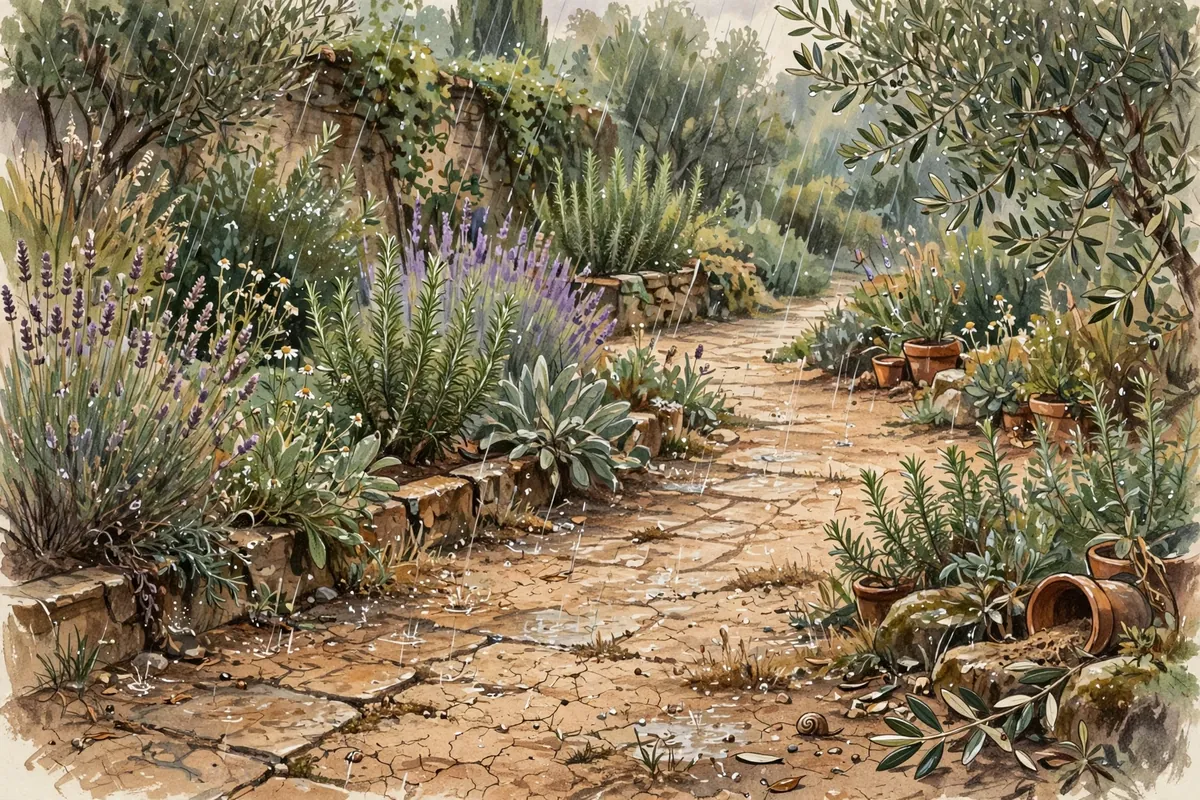
There's nothing quite like it. After a long dry spell, the first raindrops hit the sidewalk or the garden, and the air fills with a rich, earthy smell. Many people say it's one of their favorite scents in the world. But where does it actually come from?
That smell has a name: petrichor. It comes from a mix of oils that plants release during dry weather, which soak into soil and rocks, plus a chemical called geosmin made by soil bacteria. When raindrops hit dry, porous ground, they kick tiny bits of these scents up into the air, right to your nose.
Blood of the Gods
The word petrichor was introduced in 1964 by two Australian researchers, Isabel Joy Bear and Richard Grenfell Thomas, in the science journal Nature. Before that, scientists had used the clunky phrase argillaceous odour.
The name blends two Greek words. Petra means rock or stone, and ichor was the golden fluid said to flow in the veins of the ancient Greek gods. So petrichor is, poetically, the blood of the stones.
People were curious long before that. In 1891, chemist Thomas Lambe Phipson published his thoughts on the smell, suggesting it came from plant oils absorbed into the soil and released by rain.
The Bacteria Behind the Scent
A big part of the smell comes from geosmin, a name that means earth smell in Greek. It's made by bacteria common in soil, especially a group called Streptomyces, as well as blue-green algae.
Our noses are amazingly sensitive to it. Most people can smell geosmin at extremely low levels. It's the same compound that gives beets their earthy taste, and it can cause the muddy flavor sometimes noticed in drinking water.
Water utilities know geosmin well. Towns that draw drinking water from lakes and rivers sometimes get a spell of earthy-tasting tap water when a population of these microbes suddenly dies off and releases geosmin into the supply. Farmed fish can pick up the same muddy flavor.
Recent research suggests the bacteria may make these scents for a reason. They seem to attract springtails, tiny soil creatures, in a relationship that scientists think may benefit both sides.
How a Raindrop Launches a Smell
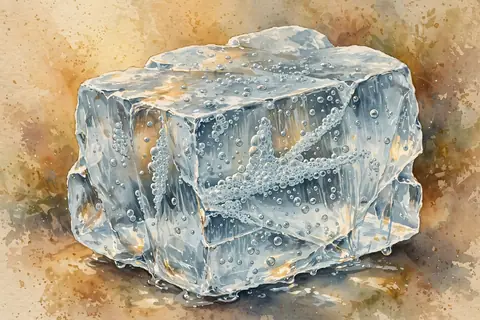
For years, nobody knew exactly how the scent got into the air. In 2015, researchers used high-speed cameras to watch raindrops land on porous surfaces. When a drop hits, it traps tiny pockets of air, which rise as bubbles and burst, flinging out a fine mist that can carry the scent.
The researchers also suggested that slower, lighter raindrops might produce more of this mist. That could explain why the smell often seems strongest after a gentle shower rather than a downpour.
Smelling Rain Before It Arrives
Some people swear they can smell rain coming. There may be something to that. Research suggests we can sometimes detect ozone just before a storm, produced partly by lightning.
Why do we like the scent so much? Nobody knows for sure. One popular idea is that our ancestors depended on rain for survival, so welcoming it may run deep. In India, a perfume called mitti attar even tries to bottle the loamy smell of rain.
So next time a summer storm rolls through, step outside and take a deep breath. You're smelling plants, rocks, bacteria, and physics all working together.