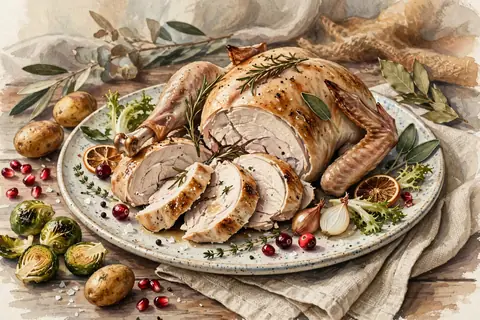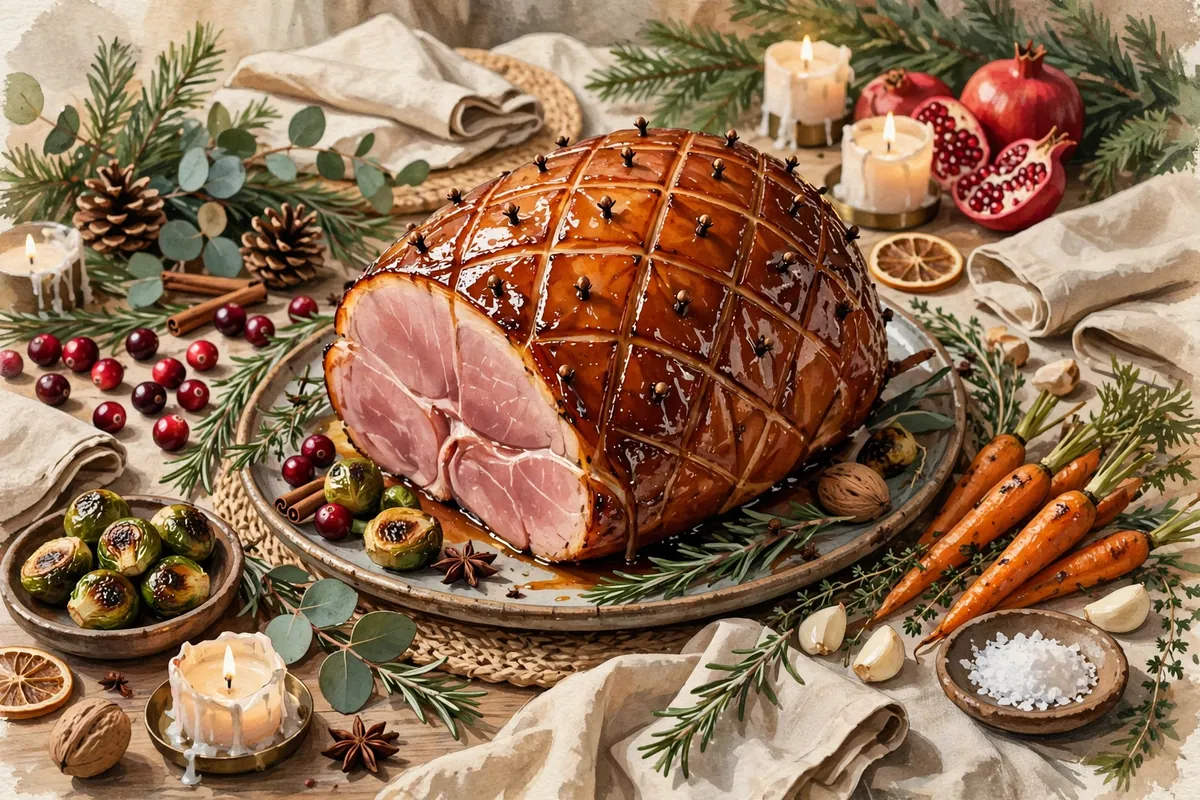
For many American families, Easter Sunday means a big glazed ham in the center of the table. It feels like it's always been that way. But why ham?
Here's the honest short answer: nobody has pinned down a single documented origin. The most common explanation is about timing. Pigs were traditionally slaughtered in autumn and early winter, and curing a ham takes months. That puts a ready-to-eat ham right around springtime. Add the fact that Easter is a feast that ends the Lenten fast, and a big, rich ham makes a lot of sense.
The Farm Calendar
In many parts of Europe, pig slaughter traditionally took place in autumn and early winter. The cold helped preserve the large amount of meat while it was butchered, and families stocked up on supplies before winter. Relatives often came to help, since the work could stretch over as long as three days.
Preserving a pork leg as ham is an ancient practice. Traces of cured ham production go back to the Etruscans in the 6th and 5th centuries BC, and it was well established by Roman times. Curing takes patience. American country hams are salt-cured for one to three months and then aged for several months or longer. Some European hams, like prosciutto di Parma, cure for a year or more.
Put those together, and a ham from a late-autumn pig would be cured and ready in time for spring celebrations. It's a sensible theory, though it's more of a practical explanation than a recorded historical fact.
Feasting After the Fast
Easter has long been a time to celebrate after the self-denial of Lent. In Ireland, for example, Easter Sunday was traditionally marked with a large feast that ended the Lenten season. Lamb, veal, and chicken were common, and corned beef with cabbage and potatoes was a popular meal. Farmers often shared meat from a freshly slaughtered animal with neighbors and with people in need.
Eggs have a similar story. Scholars of the Middle Ages say the popularity of Easter eggs comes partly from the fact that eggs were forbidden during Lent, then blessed and enjoyed again at Easter. Hearty meats fit the same joyful spirit of breaking the fast.
What About Lamb?
Lamb's place at Easter is much clearer. It's eaten in many countries, mirroring the Jewish Passover meal. In Christianity, Jesus is called the Paschal Lamb, representing his sacrifice, so eating lamb at Easter commemorates his death and resurrection.
In Greece, the traditional Easter meal is mageiritsa, a hearty stew made with lamb liver and wild greens. In Finland, roasted lamb with potatoes and vegetables is a common choice. In Sweden and Denmark, families often feast on Holy Saturday with a spread of herring, salmon, potatoes, and eggs.
Ham Around the World
Ham isn't just an American Easter favorite. In eastern Hungary, ham is served at Easter alongside boiled eggs, a braided bread called kalács, and a sweet curd cheese called sárgatúró. In northeastern Portugal, a traditional Easter bread called folar de Chaves is stuffed with pork, ham, and sausages.
So whether your family serves ham, lamb, or something else entirely, you're part of a long tradition of celebrating spring with a special meal. And if anyone at the table asks why ham, you can tell them it probably comes down to good old farm timing.