We use the word all the time without a second thought. Sideburns are just the patches of hair running down the sides of the face. But the word itself has a surprisingly specific origin, and it starts with one man and one very distinctive look.
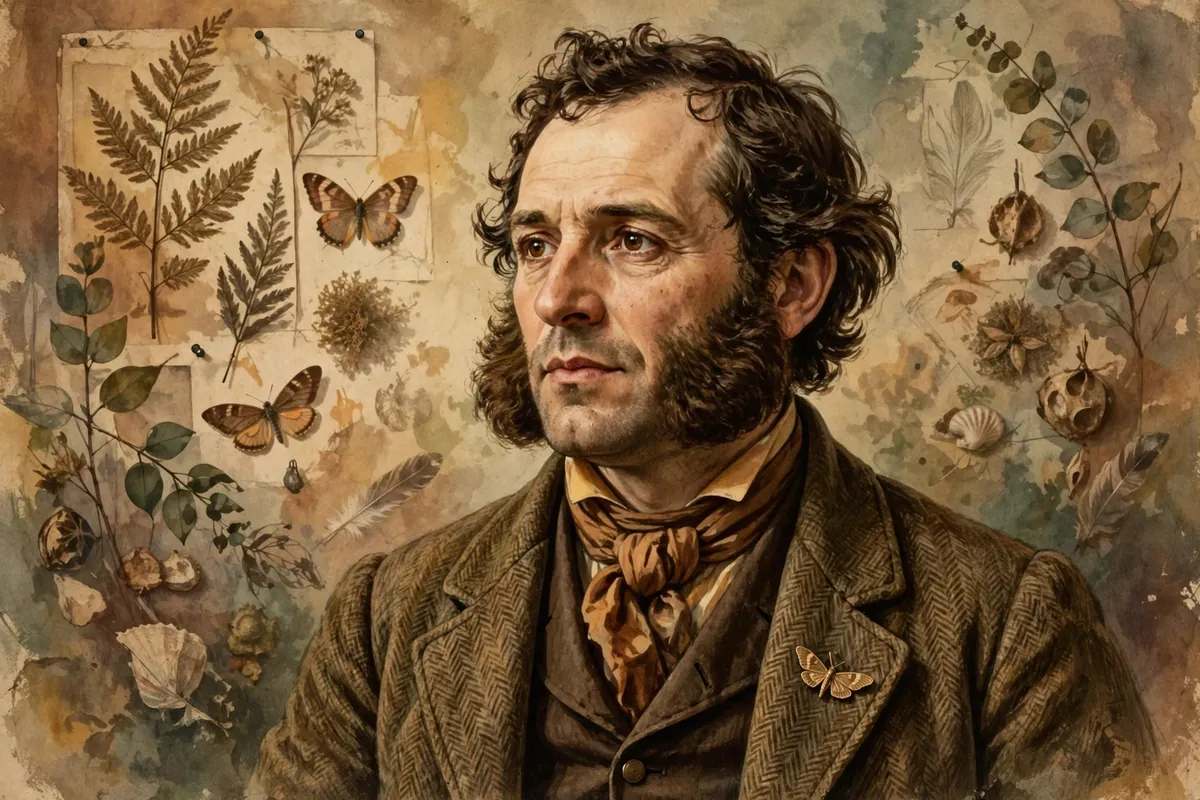
Here's the short answer. The word sideburns is a 19th-century twist on the original term, burnsides. That name honored Ambrose Burnside, a Union general in the American Civil War. He was famous for an unusual style: thick side whiskers joined by a mustache, with a clean-shaven chin. Over time, people flipped the two syllables of his surname, and burnsides became sideburns.
Who Was Ambrose Burnside?
Burnside was born in Liberty, Indiana, in 1824, the fourth of nine children. After his mother died, he was apprenticed to a local tailor and eventually became a partner in the business. He later won an appointment to the U.S. Military Academy at West Point, where a clerical error listed his middle name as Everett instead of Everts.
He was also an inventor. Before the Civil War, he designed a cavalry firearm called the Burnside carbine. Sadly for him, a big government contract fell through, and he was never able to profit from his own successful invention.
During the war, he won some of the earliest Union victories in the East. But he was promoted beyond his abilities and is best remembered for two disastrous defeats, at Fredericksburg in December 1862 and at the Battle of the Crater in 1864. He was known as a modest man who had been pushed into high command against his will.
A Busy Life After the War
Burnside's career didn't end with the war. He served three times as governor of Rhode Island and was later chosen as a U.S. senator. He also became the first president of the National Rifle Association when it was founded in 1871.
His personal life had its own drama. As a young officer, he was engaged to Lottie Moon, who is said to have shouted No siree Bob at the altar before running out of the church. She later became known as a Confederate spy.
Sideburns Through the Ages
Burnside didn't invent the look, of course. Sideburns appear on Roman statues and masks dating back to the first century. Many South American independence heroes, including José de San Martín and Bernardo O'Higgins, wore them too.
Some cultures took them very seriously. Indigenous men in Mexico and Colombia, including the Aztecs, shaved their heads but wore long, braided sideburns called balcarrotas. They were prized in the 16th century as a mark of manly pride. When colonial authorities in New Spain banned them, the ban helped spark rioting in 1692.
In the 1800s, sideburns were often far more extravagant than today, hanging well below the jawline in the style we'd now call mutton chops. They fell out of fashion in the early 1900s. In World War I, men had to be clean-shaven so their gas masks would seal properly.
Then came a comeback. Marlon Brando wore sideburns in the 1953 film The Wild One, and Elvis Presley made them even more popular. Soon they were a symbol of rebellious young men.
So the next time you see a pair of bold sideburns, tip your hat to General Burnside. His battlefield record was mixed, but his whiskers earned him a permanent place in the English language.