When someone passes away, most of us reach into the closet for something black without even thinking about it. It feels like the respectful choice, almost a rule. But where did that idea come from, and has it always been black?
Here's the short answer. Wearing plain, dark clothing for mourning goes back at least to the Roman Empire, when mourners wore a dark wool toga called the toga pulla. The custom continued in Europe for centuries and reached its peak in 19th-century England, especially during the reign of Queen Victoria. Still, black isn't universal. In some cultures and eras, white has been the color of mourning.
From Roman Togas to Church Vestments
The Romans set an early example with their dark mourning togas. Later, the Roman Catholic Church used black as the ordinary color for funeral Masses until 1969, except for small children, when white was used. Black remains the intended norm today, though other colors are now allowed.
Queen Victoria's Long Grief
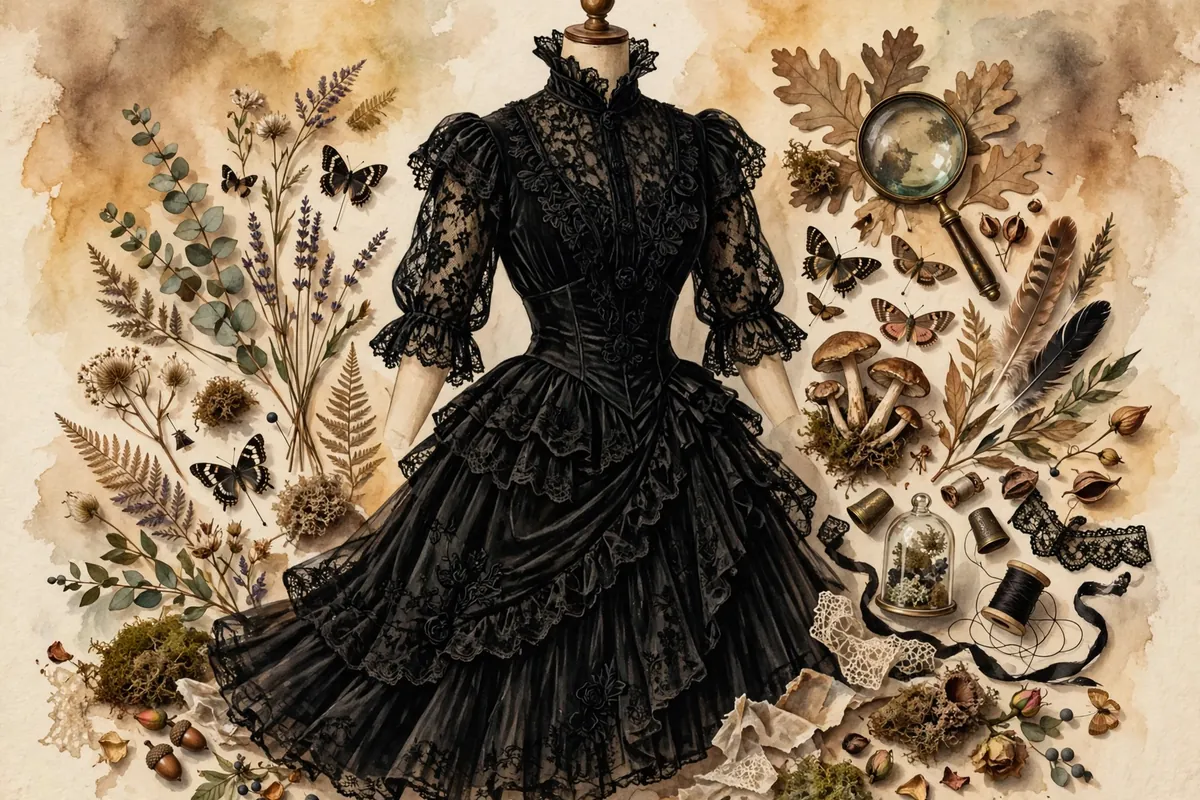
By the 1800s, mourning in England had become a complicated set of rules, especially for the upper classes. Women wore heavy, concealing black clothing and thick black crêpe veils. The whole outfit was nicknamed widow's weeds, from an Old English word meaning garment. Clothing was expensive, so mourners often had new outfits made or simply dyed clothes they already owned. Mourning outfits could also include weepers, such as white cuffs, black hat bands, or long black veils that signaled grief.
Widows might be expected to wear mourning clothes for up to four years, and some chose to wear them for life. Changing out of mourning too early was frowned upon. Mourning jewelry, often made of a black stone called jet, became highly fashionable. Some pieces even held a lock of the loved one's hair.
Queen Victoria pushed these customs to their height. After her husband, Prince Albert, died in 1861, her long and very public grief heavily influenced society. When she herself died in 1901, Canada's official government newspaper instructed the public to wear deep mourning until March and half-mourning until April.
When White Meant Mourning
Here's a surprise. Among medieval European queens, the color of deepest mourning was white. In 1393, Parisians watched an unusual royal funeral carried out entirely in white for an exiled king of Armenia. The royal tradition of white mourning lasted in Spain until the end of the 1400s.
It even made a comeback. In 1934, Queen Wilhelmina of the Netherlands reintroduced white mourning after her husband died, and it has remained a tradition in the Dutch royal family ever since.
Mourning Colors Around the World
White is the traditional color of mourning in Chinese culture. In Thailand, black is the mourning color today, but historically it was white, and widows may wear purple. In Japan, mourners wear black formal clothing, and bright colors, especially red, are considered inappropriate.
In parts of Greece, Spain, Portugal, Mexico, and several other countries, some widows wear black for the rest of their lives. The custom traveled with immigrants to the United States too.
Customs keep changing, and every family and culture has its own traditions. But the classic black outfit remains a quiet, shared way of saying we're sorry and we're with you, a message that has passed down for well over a thousand years.