Today's stock car races are big business, with packed grandstands, TV cameras, and cars plastered in sponsor logos. But the sport's roots are a lot rougher. They run straight back to Prohibition, moonshine, and some very fast getaway cars.
The short answer: stock car racing in the United States grew out of bootlegging during Prohibition. Drivers hauling illegal whiskey, much of it made in Appalachia, souped up their cars to outrun the police. Over time, they began racing each other for pride and money, and that led to the founding of NASCAR in 1948.
Fast Cars for an Illegal Job
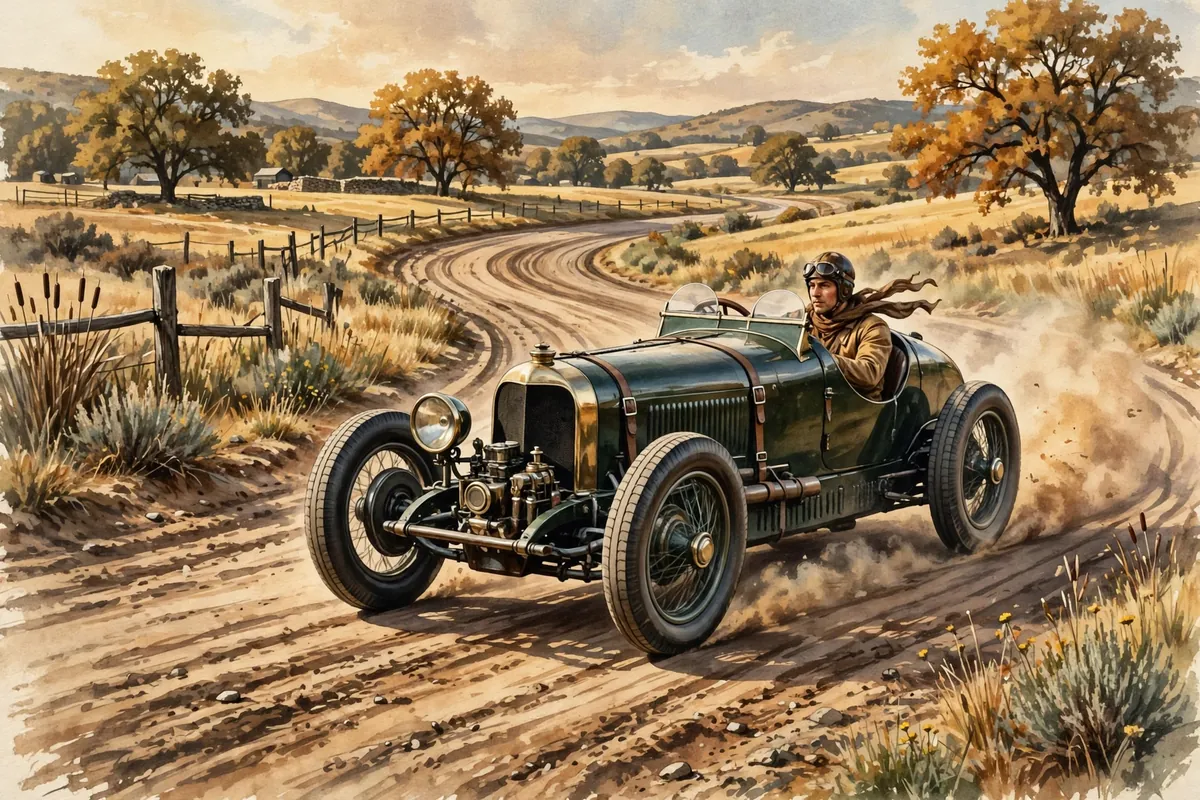
During Prohibition, bootleggers had to get their product to customers without getting caught. They usually used small, fast cars that could slip away from the police.
Many drivers tinkered with their cars to improve speed and handling, and to carry more cargo. Many of these were everyday cars, modified by their owners to do a very risky job.
After Prohibition Ended
Prohibition was repealed in 1933, which cut into the bootleggers' business. But by then, many people in the South had developed a taste for moonshine. Some drivers kept running shine, now dodging the revenue agents, nicknamed revenuers, who wanted to tax it.
The cars kept improving. By the late 1940s, races featuring these souped-up cars were being run for pride and profit. They were popular entertainment in the rural South, especially around Wilkes County, North Carolina. Street cars were lightened and strengthened for the track.
One famous example is Junior Johnson, who as a young man in the 1940s made a living as a moonshiner and bootlegger. He went on to win 50 NASCAR races before retiring in 1966, and later became a championship-winning team owner. His upbringing inspired a movie called The Last American Hero.
Bill France and Daytona Beach
Daytona Beach was already famous for speed. In the 1920s and 1930s, it was the favorite place in the world for land speed record attempts, and 15 records were set there between 1905 and 1935. In 1935, Bill France Sr. began organizing races there, hoping fans would come to watch and that drivers would race for him.
France also wanted a fairer deal for racers. Drivers were often cheated by shady promoters who left with the money before the drivers got paid. The early Daytona course was wild, with one straightaway on the sand of the beach and the other on a narrow beachfront highway.
The Birth of NASCAR
On December 14, 1947, France gathered racers and promoters at the Streamline Hotel in Daytona Beach to talk about organizing the sport. The meetings led to the founding of NASCAR on February 21, 1948.
The first name suggested was the National Stock Car Racing Association, but another group was already using it. A mechanic named Red Vogt proposed the National Association for Stock Car Auto Racing, and it stuck.
The first NASCAR Strictly Stock race was held at Charlotte Speedway on June 19, 1949. Early cars were almost exactly like factory models. The series became the Grand National Series in 1950, and by the mid-1960s the cars were purpose-built racers that only looked like stock models.
So the next time you hear engines roar on race day, remember that the sport began with a few daring drivers, some homemade speed tricks, and a trunk full of moonshine.