You can buy a Coca-Cola almost anywhere on the planet. Yet the exact recipe for the syrup that gives it its flavor has been treated like a crown jewel for well over a century. How do you keep a secret that big for that long?
The short answer: through a mix of real security and clever marketing. The only written copy has long been locked in bank vaults, factory workers mix ingredients known only by number, and the company says just two employees know the full formula. But the secrecy began as a publicity strategy, and some of it still works that way.
A Secret That Started as a Sales Pitch
Coca-Cola's inventor, John Pemberton, actually shared his original formula with at least four people before he died in 1888. The secrecy came later, from businessman Asa Candler.
In 1891, Candler bought the rights to the formula, founded the Coca-Cola Company, and wrapped the recipe in mystery as a publicity and protection strategy. He also tweaked the ingredients, which by most accounts improved the taste. That let him claim that anyone holding Pemberton's original recipe no longer had the real thing.
From Bank Vault to Museum Vault
In 1919, Ernest Woodruff led a group of investors that bought the company. As collateral for the loan, he placed the only written copy of the formula in a vault at a New York bank. Once the loan was paid off in 1925, the formula moved to a bank vault in Atlanta.
In December 2011, the company moved it again, into a vault at the World of Coca-Cola museum in Atlanta, where visitors can see the vault itself on display.
Two Keepers and Numbered Mystery Ingredients
According to the company, only two employees know the complete formula at any time, and they aren't allowed to travel together. Their identities are kept secret, too.
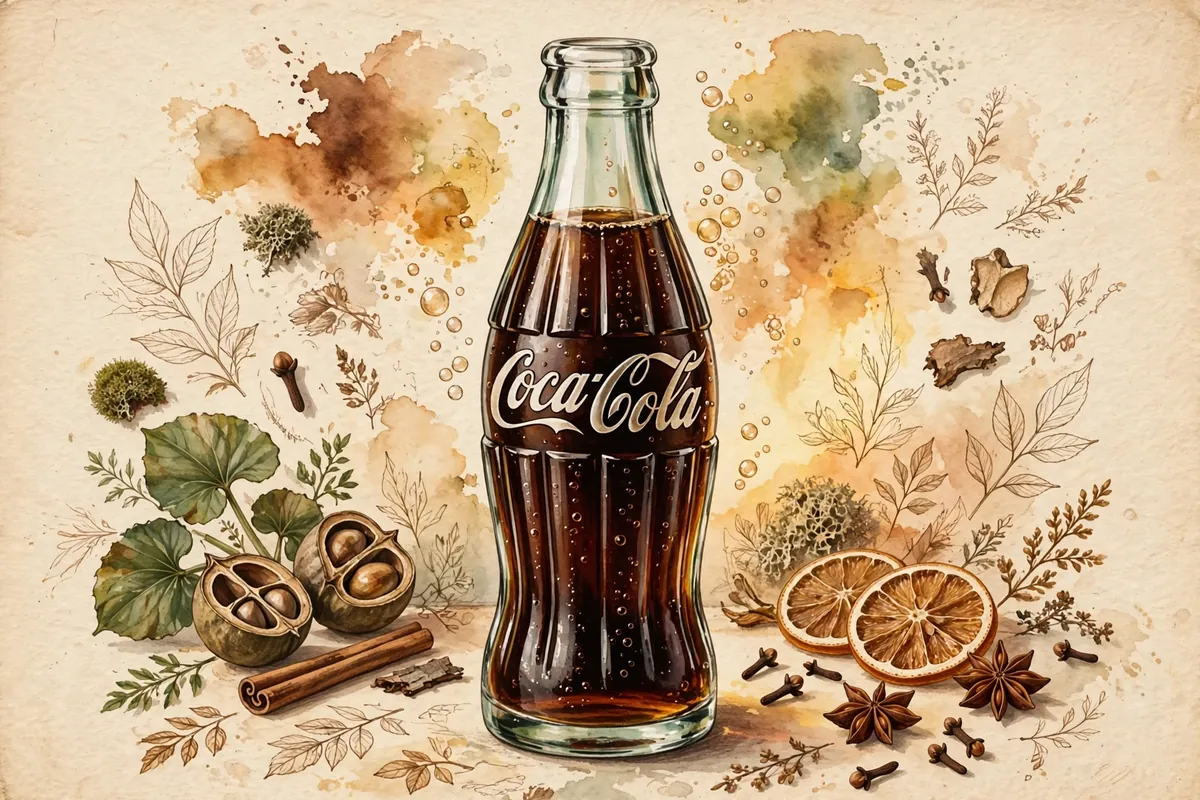
The syrup factories are kept in the dark as well. Ingredients arrive as numbered "merchandises," 1 through 9. Managers know the proportions and mixing steps, but not what's in each one. Merchandise 1 is sugar, 2 is caramel coloring, 3 is caffeine, and 4 is phosphoric acid. The rest are debated, especially the famous Merchandise 7X, thought to be a blend of essential oils such as orange, lime, lemon, and lavender. Nobody has ever explained the X.
The Plot to Sell the Recipe
In 2006, a secretary at Coca-Cola and two accomplices tried to sell the company's confidential trade secrets to Pepsi for $1.5 million. Pepsi didn't bite. Instead, it reported the offer to Coca-Cola and the FBI.
FBI agents posed as Pepsi executives in a sting operation, and the three were arrested. The prosecutor praised Pepsi for doing the right thing.
Does the Secret Even Matter?
Over the years, several recipes claiming to be the real formula have been published. In 2011, the radio show This American Life shared one it believed was Pemberton's original or close to it. The company's archivist said it could be a precursor but isn't the formula used today.
Even if someone had the genuine recipe, they couldn't sell it as Coca-Cola, and some key ingredients would be hard to get. That's why many people see the secret formula as more marketing than true trade secret. Either way, the mystery has kept people curious and talking for well over a century.