It happens in homes everywhere. Dinner is over, everyone is full, and nobody could possibly eat another forkful of mashed potatoes. Then a pie appears on the table, and somehow there's room after all. Many families joke about having a separate "dessert stomach." Is there any truth to it?
There's a real effect behind it, and scientists call it sensory-specific satiety. As you eat one kind of food, it gradually becomes less satisfying. But a new flavor, especially something completely different like sweet after savory, can renew your appetite. Add our deep-rooted love of sugar and a lifelong habit of ending meals with dessert, and the after-dinner craving makes a lot of sense.
Tired of the Taste, Not Truly Full
The idea was first described in 1956 by French physiologist Jacques Le Magnen. In 1981, researchers Barbara and Edmund Rolls gave it the name sensory-specific satiety. It describes how our enjoyment of a particular food drops as we eat it, while our interest in other foods stays strong.
In lab experiments, people eat as much as they like of a first course. Afterward, they're much less likely to choose that same food again. But offer them something different, and they'll happily keep eating. That's also why people tend to eat more at buffets. The variety keeps waking up the appetite.
Interestingly, this effect seems to be driven by the taste, smell, and look of food rather than its calories or nutrients. In other words, it's less about your stomach and more about your senses getting bored.
The Buffet Experiment
In a 1984 study, researchers simulated a buffet-style meal. Some participants were served four courses of the same food. Others got four different foods: sausages, bread and butter, chocolate dessert, and bananas. The group with variety ate 44 percent more food overall.
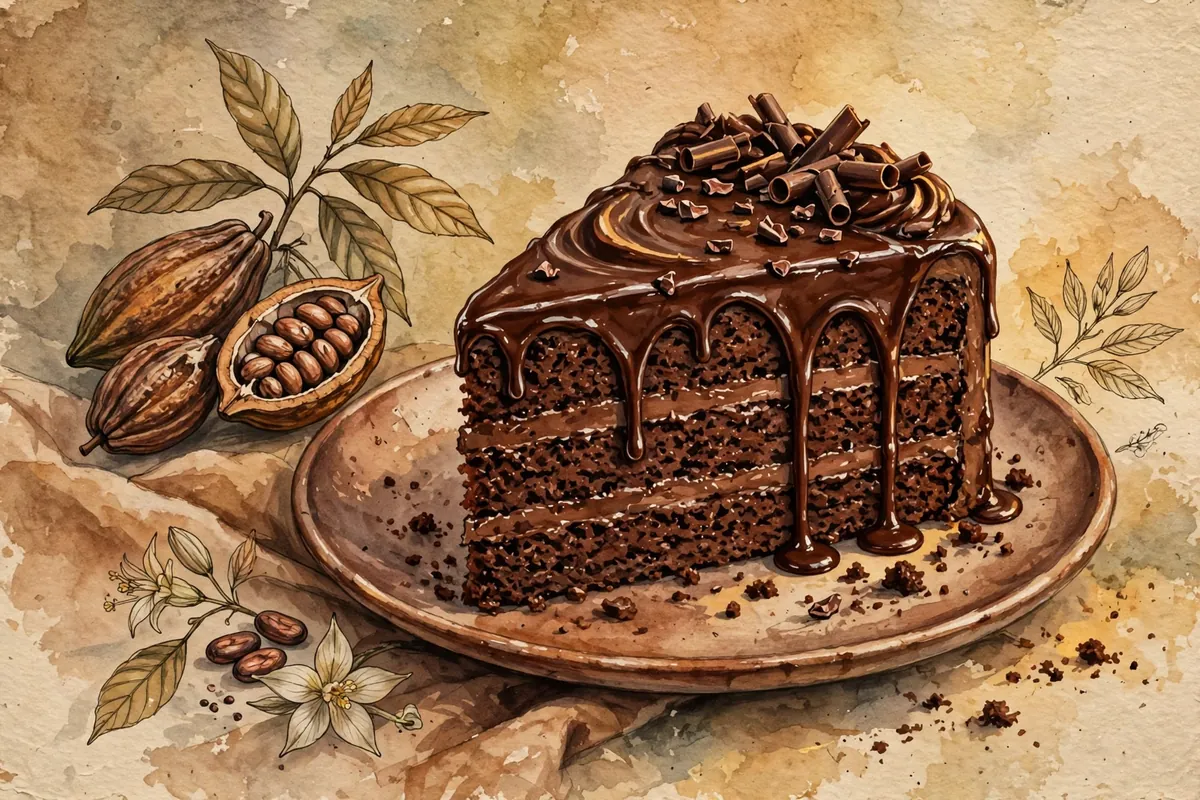
After a big savory dinner, dessert is the ultimate change of pace. It brings a new flavor, a new texture, and often a new temperature. Your senses perk up, and the "full" feeling seems to fade, at least for a few delicious minutes.
We're Wired to Like Sweet
Sweetness is one of the five basic tastes, and it's enjoyed across cultures. Our attraction to it starts early. Newborn babies prefer sugary solutions, even ones sweeter than the natural sugar in breast milk. Responsiveness to sugar has very ancient roots in evolution. Some research even suggests that how sensitive we are to sweetness shifts with the time of day.
Sweet, rich foods can also trigger the brain's reward system, creating a pleasant, short-lived feeling of relaxation. That's part of why so many comfort foods, like ice cream and chocolate, are sweet.
A Habit Built Into the Meal
Then there's plain old habit. The word dessert comes from the French desservir, meaning "to clear the table." It referred to the final course, served after the dinner dishes were cleared away. For many of us, a meal just doesn't feel finished without that sweet ending.
There's also an age twist. Studies suggest older adults experience this effect less strongly than younger people, possibly because our senses gradually fade with age. Teenagers, on the other hand, feel it more.
So the next time you find room for pie after a holiday feast, you can blame science, evolution, and a few centuries of tradition. Just maybe keep the slice a reasonable size.