Every home cook knows the moment. You taste the soup, and something is missing. You add a pinch of salt, stir, and taste again. Suddenly the carrots taste more like carrots and the broth tastes rich. You didn't add any new flavor, so why does it taste so much better?
Here's the short answer. Salt is one of the five basic tastes your tongue can detect, and it's known to improve how we perceive the taste of food, even food that would otherwise be unappealing. Used well, salt doesn't make food taste "salty." It heightens the flavors already in the dish. And in the right amount, your taste buds send a signal your brain reads as delicious.
Your Tongue's Two Salt Signals
Your taste receptors sense five basic tastes: sweet, sour, salty, bitter, and savory, also known as umami. Saltiness has a twist. Scientists think it comes with two separate signals, a low-salt signal and a high-salt signal.
The low-salt signal creates a sensation of deliciousness. The high-salt signal creates the familiar feeling of "too salty." That's why a little salt can make food taste wonderful, while a heavy hand ruins it.
Researchers understand the pleasant low-salt signal fairly well. It involves tiny channels in taste cells that let sodium in, which sets off a message to the brain. The high-salt signal is still poorly understood.
Why We're Wired to Like It
There's a good reason our bodies enjoy salt. Sodium is essential to life. It helps control the balance of water and minerals in the body, and the kidneys rely on it to help move water back into the blood. Because we need it, salt tastes pleasant to most people in the right concentration.
Too much is a different story. Eating too much salt raises the risk of heart disease and high blood pressure. The World Health Organization recommends adults have less than 5 grams of salt a day, about 2,000 milligrams of sodium. If you have questions about how much is right for you, talk to your doctor.
How Cooks Use It
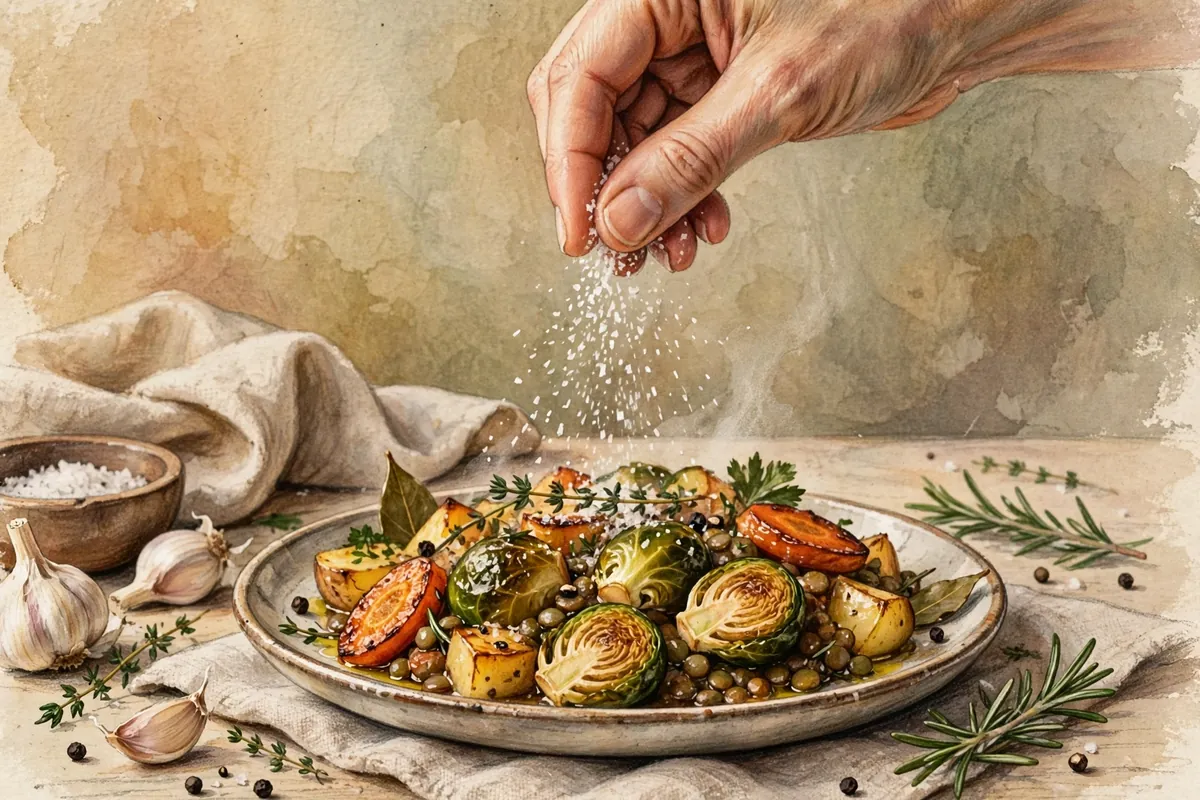
In the kitchen, salt does more than one job. It can draw water out of foods, and it can magnify a food's natural flavor, making it richer or more delicate depending on the dish. Rubbing coarse salt into meat, for example, can help tenderize it and improve flavor.
Cooks have a saying of sorts about seasoning: when it's done right, you can't taste it. The job of salt, along with pepper and acids like lemon juice, is to bring out the flavors of the original ingredients, not to cover them up. Timing matters, too. Seasonings are usually added near the end of cooking, or even at the table, so their effect stays bright.
A Seasoning That Shaped History
People have prized salt for thousands of years. Some of the earliest evidence of salt-making dates to about 6000 BC, when people in what is now Romania boiled spring water to collect it. Salt was carried across the Mediterranean by boat and across the Sahara by camel caravans.
It even left its mark on our language. The word "salad" literally means "salted," from the Roman habit of salting leafy greens. So the next time a pinch of salt brings a dish to life, you're tapping into one of the oldest kitchen tricks in human history.