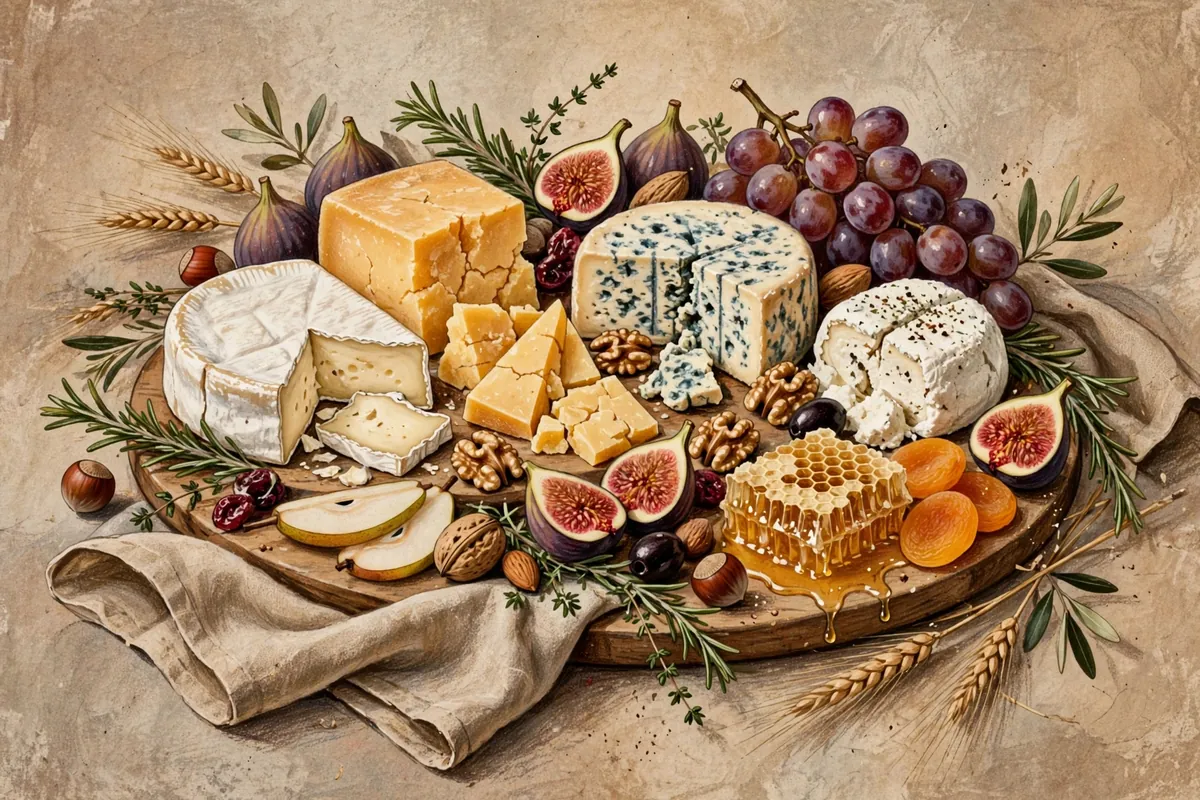
Americans can buy cheeses from just about anywhere: French brie, Dutch gouda, Spanish manchego. But a few cheeses simply aren't allowed. The most famous of them comes from the Italian island of Sardinia, and once you hear how it's made, you may not be in a hurry to taste it.
It's called casu martzu, which means "rotten cheese" in the Sardinian language. It's a sheep's milk cheese that contains live fly maggots, added on purpose. Casu martzu is among several cheeses that aren't legal in the United States, and its sale is banned in Italy and across the European Union because of health risks.
How It's Made
The process starts with pecorino, a classic Italian sheep's milk cheese. Makers leave whole cheeses outside with part of the rind removed so the cheese fly can lay its eggs inside. When the eggs hatch, the larvae start eating through the cheese.
Acid from their digestion breaks down the fats and turns the cheese very soft. A liquid called làgrima, meaning "teardrop," may seep out. The whole process takes about three months, and by the time the cheese is ready, it can hold thousands of maggots. Local tradition even says a warm sirocco wind makes for a better batch by softening the cheese further.
How People Eat It
Fans usually spread it in thin strips on a moistened Sardinian flatbread called pane carasau, often with a strong red wine such as cannonau. The flavor is described as intense and spicy, with an aftertaste that can last for hours.
There are a few house rules. Sardinian fans consider the cheese unsafe if the maggots have died. Some people prefer not to eat the larvae, so they seal the cheese in a paper bag to starve them of air first. And because the larvae can launch themselves up to about 6 inches when disturbed, diners sometimes hold a hand over their sandwich to keep them from jumping.
Why It's Banned
The concern is that the larvae might survive the stomach and stay in the intestine, causing a condition called pseudomyiasis, with nausea, vomiting, and stomach upset. The larvae can also carry harmful germs. In 2009, Guinness World Records named casu martzu the world's "most dangerous cheese."
In fairness, a CNN report found no cases of illness linked to the cheese itself. Still, if you have questions about food safety, especially with any unusual or raw foods, talk to your doctor.
Other Cheese Rules in America
Casu martzu isn't the only cheese that runs into American rules. In the U.S., cheese made from raw, unpasteurized milk can only be sold if it has been aged for at least 60 days. That's why some fresh, young raw-milk cheeses popular in Europe are hard to find here. Canada has a similar 60-day rule, though Quebec loosened it in 2009 under strict safeguards.
Meanwhile in Sardinia, casu martzu is revered as a symbol of the island's traditional shepherding life, and some locals have tried to get it declared an official traditional food to work around the ban. One local food expert put it simply: "It's part of our history."
So if you ever spot it on a trip to Italy, you'll know what you're getting into. For most of us, a nice wedge of aged cheddar on a cracker will do just fine.