We walk on it, build castles with it, and shake it out of our shoes for days after a beach trip. Sand seems like the simplest stuff on Earth. But every single grain has a story, and some of those stories go back millions of years.
The short answer: most sand is made when rocks are slowly broken down by water and wind. Over long periods of time, pieces wear away, get carried downstream by rivers, and keep breaking into smaller bits until they become sand. But not all sand comes from rock. On tropical beaches, much of the sand comes from crushed coral and shells, and some of it is even made by fish.
From Mountain to Beach
The most common rock to form sand is granite. Granite contains different minerals, and some of them, called feldspars, dissolve faster than the hard mineral quartz. As the feldspar breaks down, the rock crumbles into small pieces.
Quartz is the tough survivor of this process. It's hard and doesn't react much with other chemicals, which makes it the most common mineral to resist weathering. That's why the most common ingredient of sand, away from the tropics, is silica, usually in the form of quartz.
Beaches get their sand from erosion too. Over thousands of years, waves pound rocks near the shoreline, and the sediment builds up. Rivers add more as they carry worn-down bits of rock to the coast.
What Counts as Sand?
Scientists define sand mainly by size. By the definition geologists use, a grain of sand is between about one-sixteenth of a millimeter and two millimeters across. Anything bigger is gravel. Anything smaller is silt.
There's an easy way to tell the difference with your fingers. Sand feels gritty when you rub it. Silt, by comparison, feels like flour.
The Fish That Makes Beaches
Here's where it gets fun. The bright white sand on many tropical beaches is made of worn-down limestone, coral, and shell fragments. Calcium carbonate, the stuff of shells and coral, is the second most common type of sand in the world.
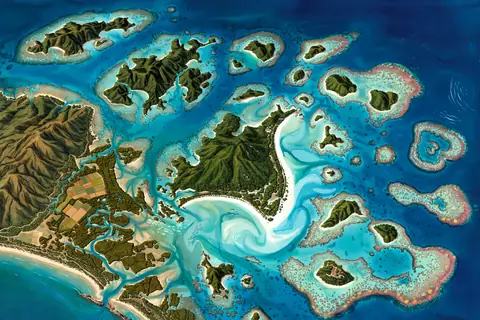
And some of it comes from parrotfish. These colorful reef fish have beak-like mouths that they use to scrape algae off rock and coral. They grind up the hard material with special teeth in their throats, digest the edible parts, and excrete the rest as sand. The green humphead parrotfish can produce about 200 pounds of sand a year. Parrotfish help create sandy beaches and even small islands.
A Rainbow of Sands
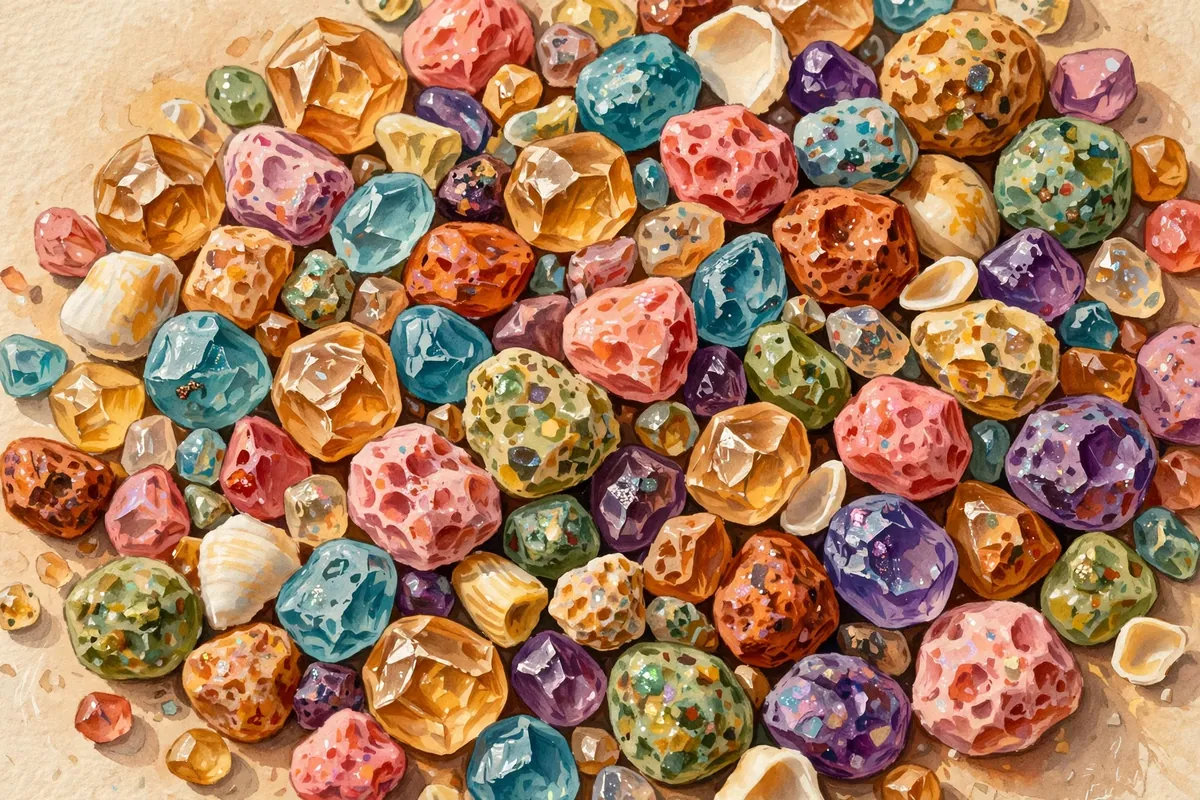
Because sand comes from whatever rocks are nearby, it comes in many colors. Sands rich in the mineral magnetite are dark or black, as are sands from volcanic rocks. Sand made from lava rich in a mineral called olivine can be green. Iron in quartz can give sand a deep yellow color, and some sands even contain tiny garnets.
In New Mexico, the dunes of White Sands National Park are famous for their brilliant white color. They're made of gypsum, a much rarer ingredient for sand.
Surprisingly, sand isn't endless. It's considered a non-renewable resource on a human timescale, and the right kind for making concrete is in high demand. Desert sand doesn't work, because the wind rounds the grains too smooth. So the next time you brush sand off your feet, take a closer look. You might be holding a bit of an ancient mountain, a seashell, or a parrotfish's lunch.