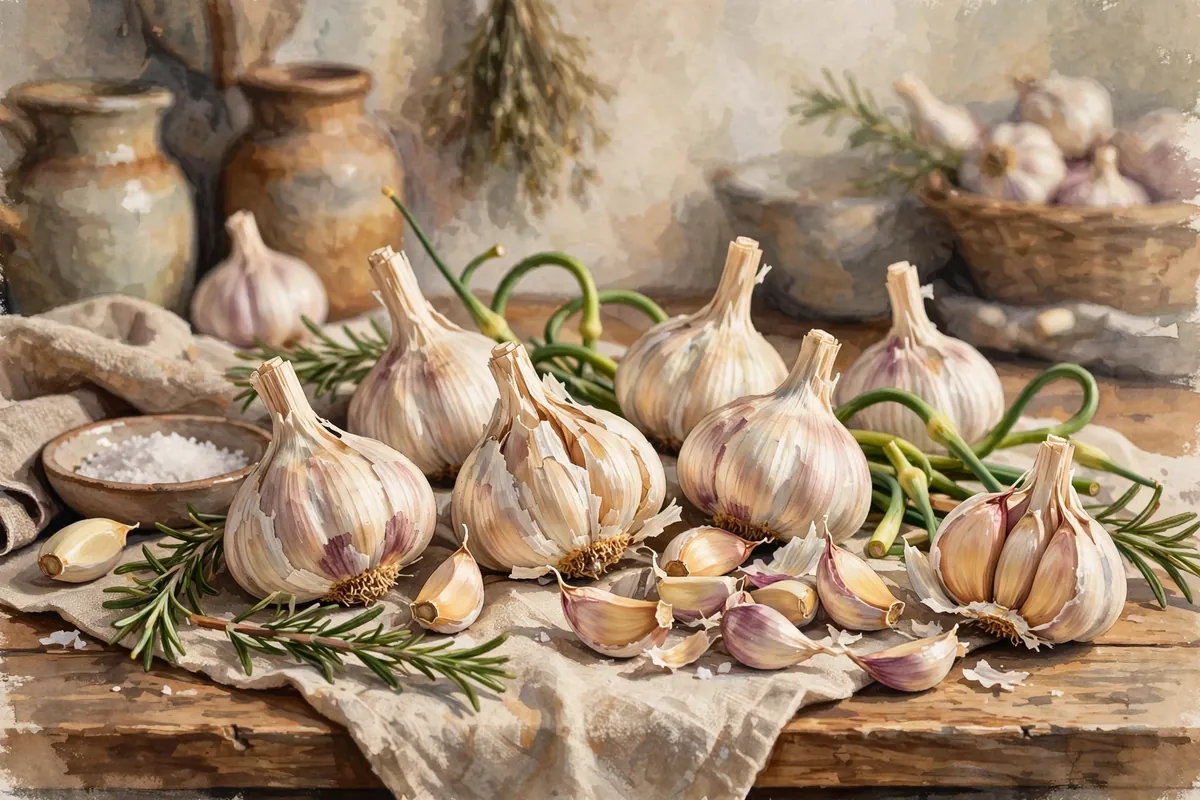
Few foods have a bigger reputation than garlic. It's been called a cure for colds, a heart helper, and a shield against everything from germs to vampires. Plenty of families have a relative who swears by a clove a day. So how much of that holds up?
The honest answer is that garlic's benefits are real but smaller than its legend. There is clinical evidence that eating garlic has some health benefits. For example, research has found it can lower blood pressure, but only slightly. Many popular claims, such as preventing colds, haven't been backed up by high-quality studies. Garlic is a flavorful part of a healthy diet, not a miracle cure.
What Studies Have Found
As of 2016, clinical research found that eating garlic produces only a small drop in blood pressure, about 4 points. Researchers saw no clear long-term effect on high blood pressure or on heart disease and deaths from it. A 2016 analysis also found no effect on a blood marker linked to hardening of the arteries.
The cancer research is mixed. Two reviews found no effect of garlic on colorectal cancer. Another 2016 analysis found a moderate link between eating more garlic and lower rates of some cancers of the upper digestive tract, though a link like that doesn't prove garlic was the cause.
And the cold remedy? A 2014 review found there wasn't enough evidence to say whether garlic helps prevent or treat the common cold. Other reviews reached the same conclusion.
Where the Bite Comes From
Garlic's punch comes from sulfur compounds. When you crush or chew a fresh clove, it produces allicin, the compound most responsible for the hot, spicy sensation of raw garlic. Allicin then breaks down into other sulfur compounds that give garlic its famous smell. Another compound, allyl methyl sulfide, is to blame for garlic breath.
Cooking removes allicin, which is why roasted garlic tastes mellow and sweet. In a typical serving of one to three cloves, garlic doesn't add much nutrition on its own, but it adds plenty of flavor, which can make healthy meals more enjoyable.
A Word of Caution
Garlic in food is fine for most people, but large amounts or supplements are a different story. Side effects of long-term garlic supplements are largely unknown, and possible ones include stomach upset and bleeding. High doses taken with blood thinners can raise the risk of bleeding, and garlic may interact with several other medications. If you're thinking about garlic supplements, talk to your doctor first.
One more warning: the American Veterinary Medical Association considers garlic toxic to pets, so keep it away from the dog bowl.
A 4,000-Year-Old Favorite
Garlic's fame goes back a long way. Cuneiform records show it was grown in ancient Mesopotamia at least 4,000 years ago, and well-preserved garlic was found in the tomb of King Tutankhamun. The Greek physician Galen praised it as a "rustic's theriac," a cure-all for country folk.
In Central European folklore, garlic was believed to ward off demons, werewolves, and vampires, and people hung it in windows or rubbed it on keyholes. Today, China grows about 73 percent of the world's garlic.
So keep enjoying garlic in your sauces, roasts, and soups. It may not be the miracle medicine of legend, but as a way to make good food taste great, it's hard to beat.